FACIAL CONCERNS · PUFFINESS
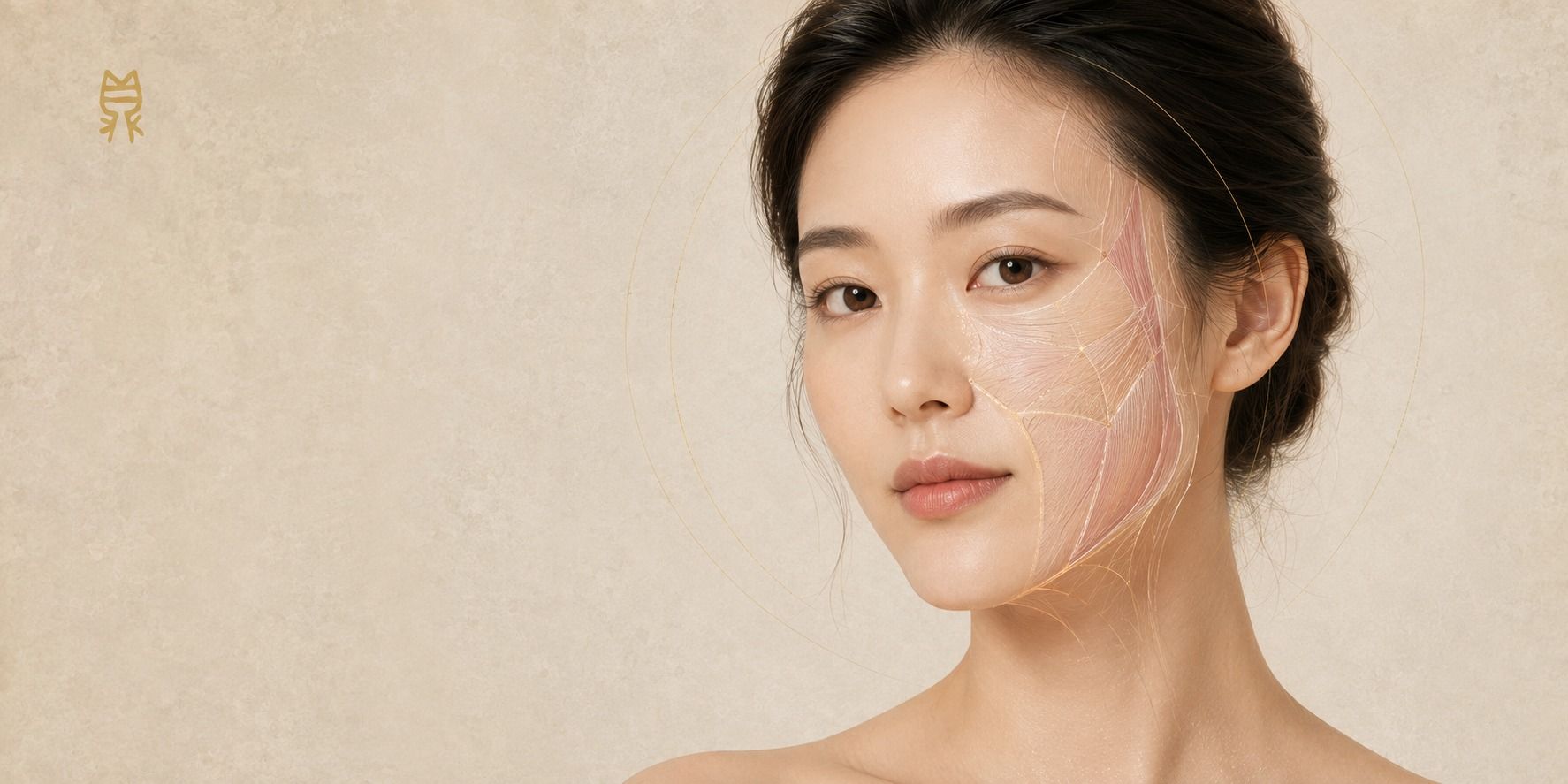
A puffy face may reflect temporary fluid retention, inflammation, allergy, medication, sinus or dental disease, endocrine or kidney problems, fat distribution, filler or lymphatic load. The cause determines the safe response.
Start with the correct mechanism
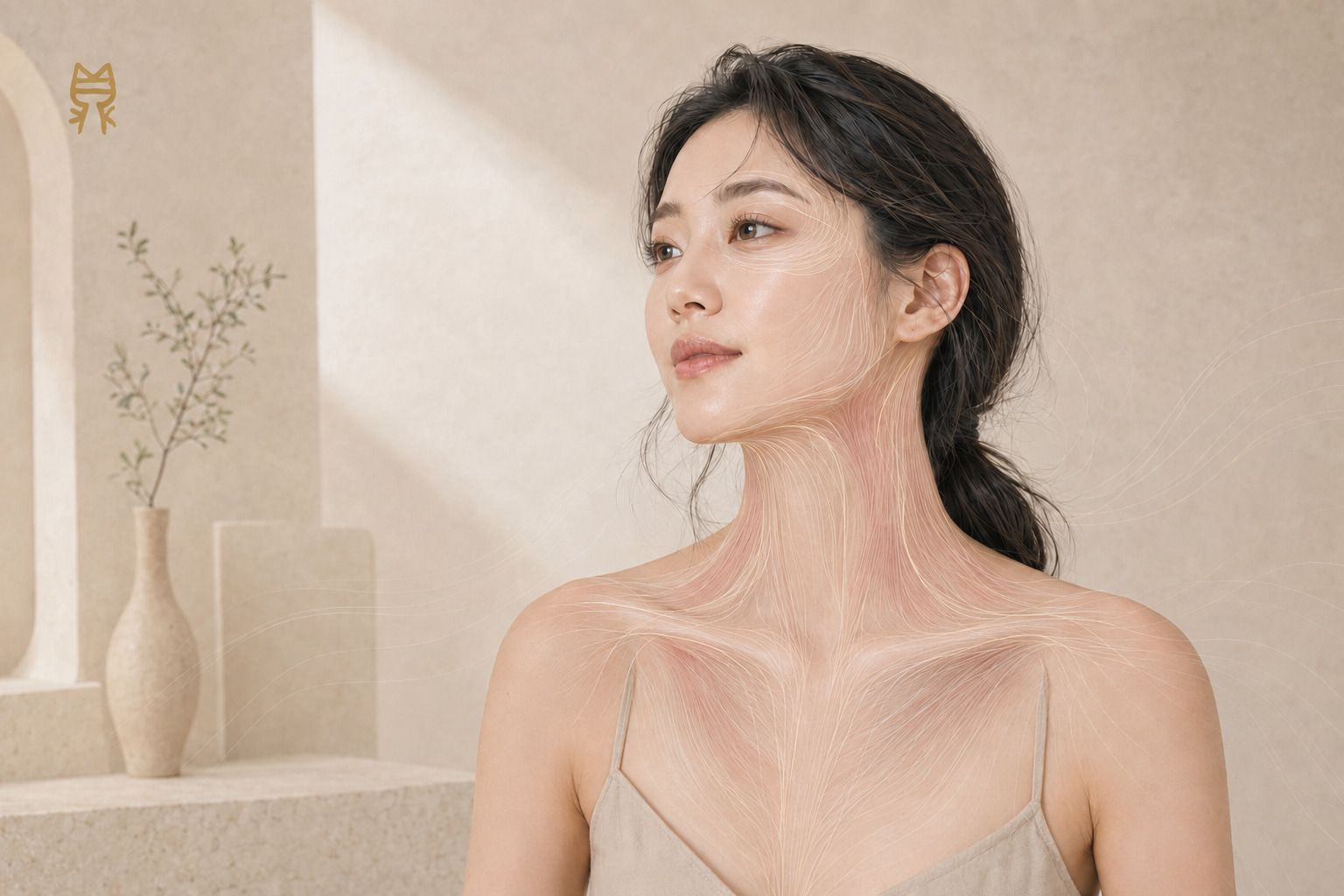
Facial puffiness is an appearance, not a single diagnosis. A useful assessment begins by asking which tissue or function is producing the visible pattern. In this area, the relevant structures include the eyelids and cheeks, superficial facial tissues, lymphatic pathways, salivary and sinus regions, jaw and neck drainage routes.
Why the same concern looks different from person to person
Common contributors include sleep position, salt and alcohol, menstrual or hormonal change, allergy, infection, medication, thyroid or kidney disease, filler and chronic tension. Several may coexist, and their relative importance can change with sleep, stress, health, age and previous treatment.
This is why photographs, one mirror angle or an online checklist cannot determine a complete plan.
What we assess in the face
During assessment, we note timing, symmetry, tenderness, skin color, triggers and associated symptoms, and distinguish soft fluctuating edema from fixed tissue volume. We also review health history, medication, dental or eye symptoms when relevant, and the exact dates of previous aesthetic procedures.
Structure, movement, fluid and skin
A clear plan separates four questions: Is the visible change mainly structural? Does repeated movement or resting tension deepen it? Is fluid or inflammation amplifying it? Has the skin itself developed a fixed crease or color change?
Each answer points toward a different combination of care and a different expectation.
How facial acupuncture may fit
When appropriate, facial acupuncture may support gentle fluid movement and address jaw-neck tension when clinical assessment suggests a functional circulation component. Point selection, depth, direction and treatment frequency are individualized; Dingyan does not apply one identical lifting protocol to every face.
What acupuncture cannot promise
Acupuncture is not a substitute for diagnosing systemic edema, infection, allergy or filler complications, and vigorous massage can be inappropriate. Clear limits are part of good aesthetic medicine, not a failure of treatment.
Skincare, dental or medical care, injectables, energy-based treatment or surgery may be more suitable for a particular component. Sometimes a coordinated plan is the most honest answer.
How to judge progress fairly
Use photographs with the same light, angle, facial expression and time of day. Track comfort, tension, puffiness and movement as well as the line or contour itself. Early changes in relaxation or fluid balance should not be mistaken for permanent structural change.
An initial series should have a review point: continue only when the direction, duration and value of the response are clinically meaningful.
When the concern needs medical attention
rapid swelling, breathing difficulty, fever, severe pain, one-sided redness, eye symptoms or swelling with reduced urine output needs prompt medical care.
Bring relevant diagnoses, medication, recent dental or aesthetic treatment dates and your most important goal. The safest plan begins with what is happening—not with a predetermined number of needles.
Continue reading
Begin with an individual assessment
Every face has a different structure, treatment history and health context. A considered plan begins with understanding yours.
BOOK A CONSULTATIONMedical notice: This article is for health education only. It does not provide a diagnosis or replace individualized medical care. Results and appropriate treatment plans vary by person.