PREGNANCY & POSTPARTUM · HAIR LOSS
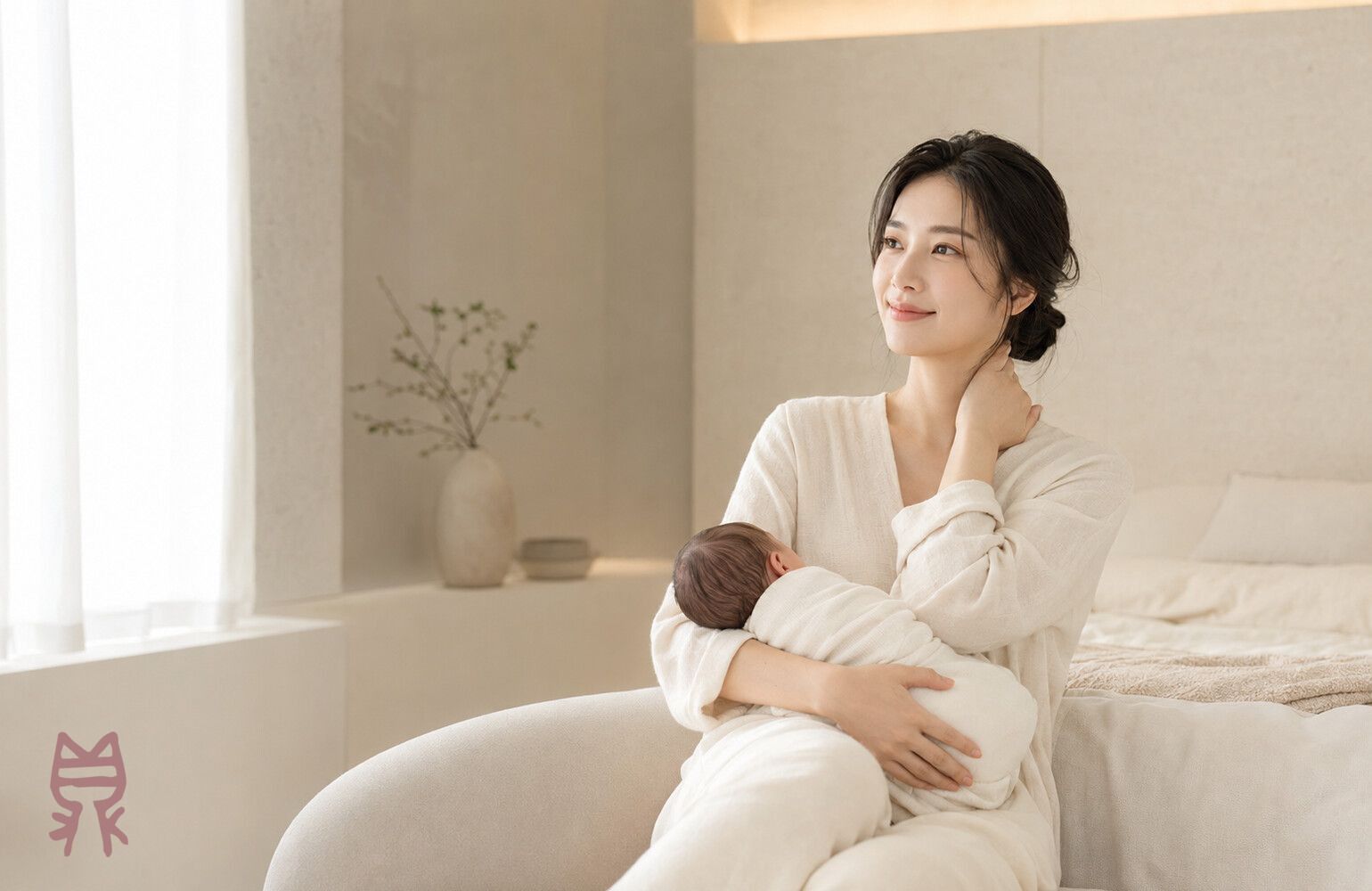
Postpartum shedding commonly begins a few months after birth when many hairs enter the resting phase together. It is often temporary, but iron deficiency, thyroid disease, restricted nutrition, stress and other hair disorders can add to the problem.
Begin with maternal health, not appearance
Postpartum hair loss should always be considered within pregnancy or postpartum health. Telogen effluvium produces diffuse shedding rather than one perfectly bald patch. The timing may feel delayed because the shift in the hair cycle occurs before the visible fall.
What should be assessed first?
Before treatment, we review onset, pattern, scalp symptoms, delivery blood loss, diet, weight change, medication, thyroid history and other signs of anemia or endocrine disease. The safest decision may be to proceed gently, modify the plan, postpone, or refer.
Why timing is individualized
Trimester, delivery history, recovery, feeding and sleep are not interchangeable milestones. A calendar alone cannot show whether tissues, circulation and the whole person are ready for elective care.
How facial appearance may change
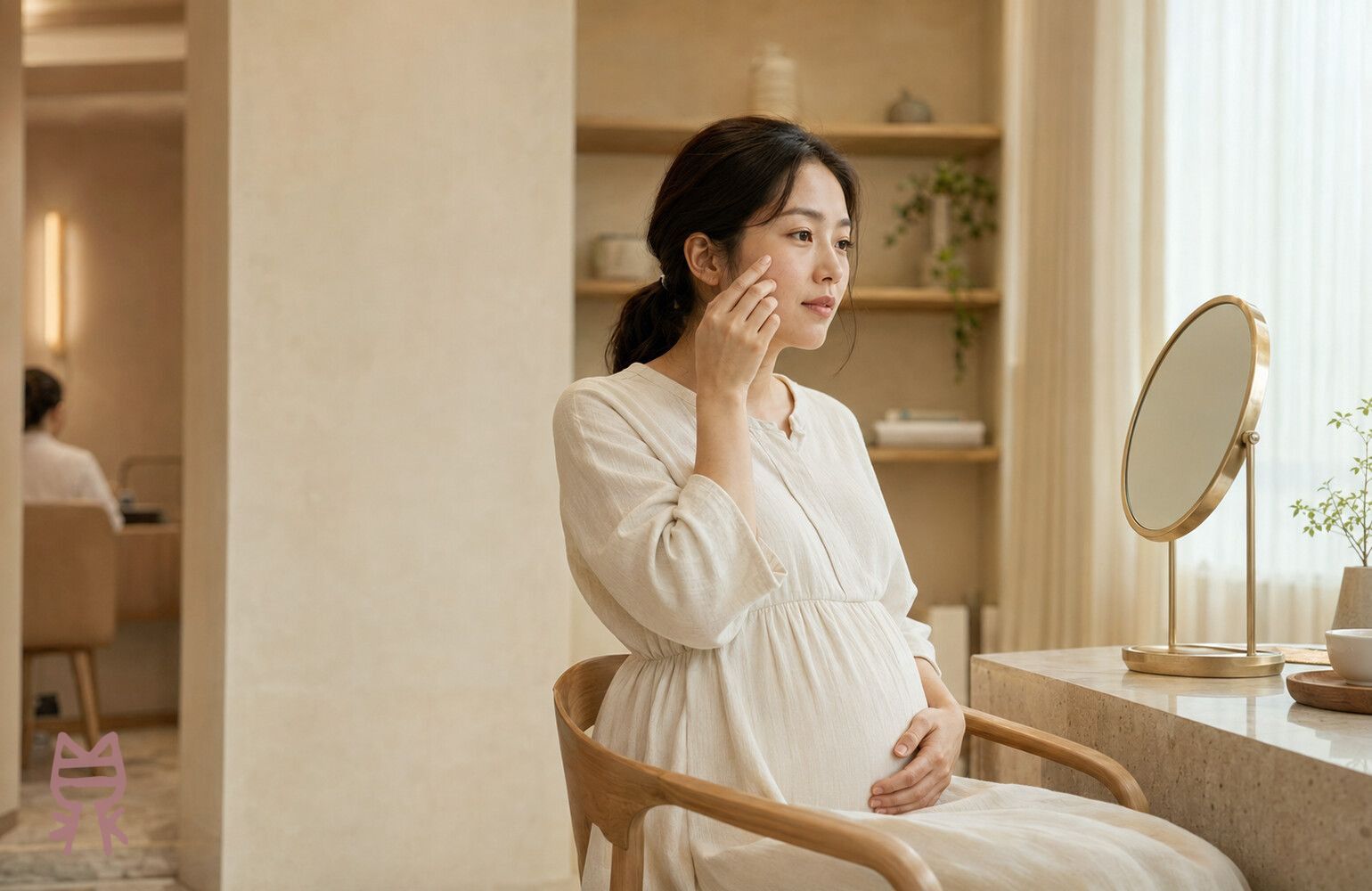
Hormones, fluid distribution, sleep loss, anemia risk, nutrition, stress and posture can all change color, puffiness, tension and hair. These changes should not be reduced to “aging suddenly.”
How acupuncture may fit
Acupuncture may be used as supportive care for stress, sleep or general recovery, but it should sit alongside nutrition and medical evaluation when indicated.
Needle number, positioning, session length and stimulation should be adapted rather than copied from a standard aesthetic protocol.
What treatment cannot replace
No treatment can promise immediate regrowth, and supplementation without documented need can be unhelpful or harmful.
How to plan the next step
Bring current diagnoses, medication, prenatal or postpartum concerns and the contact details of relevant clinicians. Set a modest goal and review how the body responds before committing to a series.
Warning signs that come first
patchy loss, scalp inflammation or scarring, eyebrow loss, persistent heavy shedding, marked fatigue, palpitations, temperature intolerance or weight change warrants medical or dermatological evaluation.
Contact the obstetric, postpartum, pediatric or medical team first. Reassurance should come from appropriate assessment, not from the absence of a dramatic facial sign.
Continue reading
Begin with an individual assessment
Every face has a different structure, treatment history and health context. A considered plan begins with understanding yours.
BOOK A CONSULTATIONMedical notice: This article is for health education only. It does not provide a diagnosis or replace individualized medical care. Results and appropriate treatment plans vary by person.