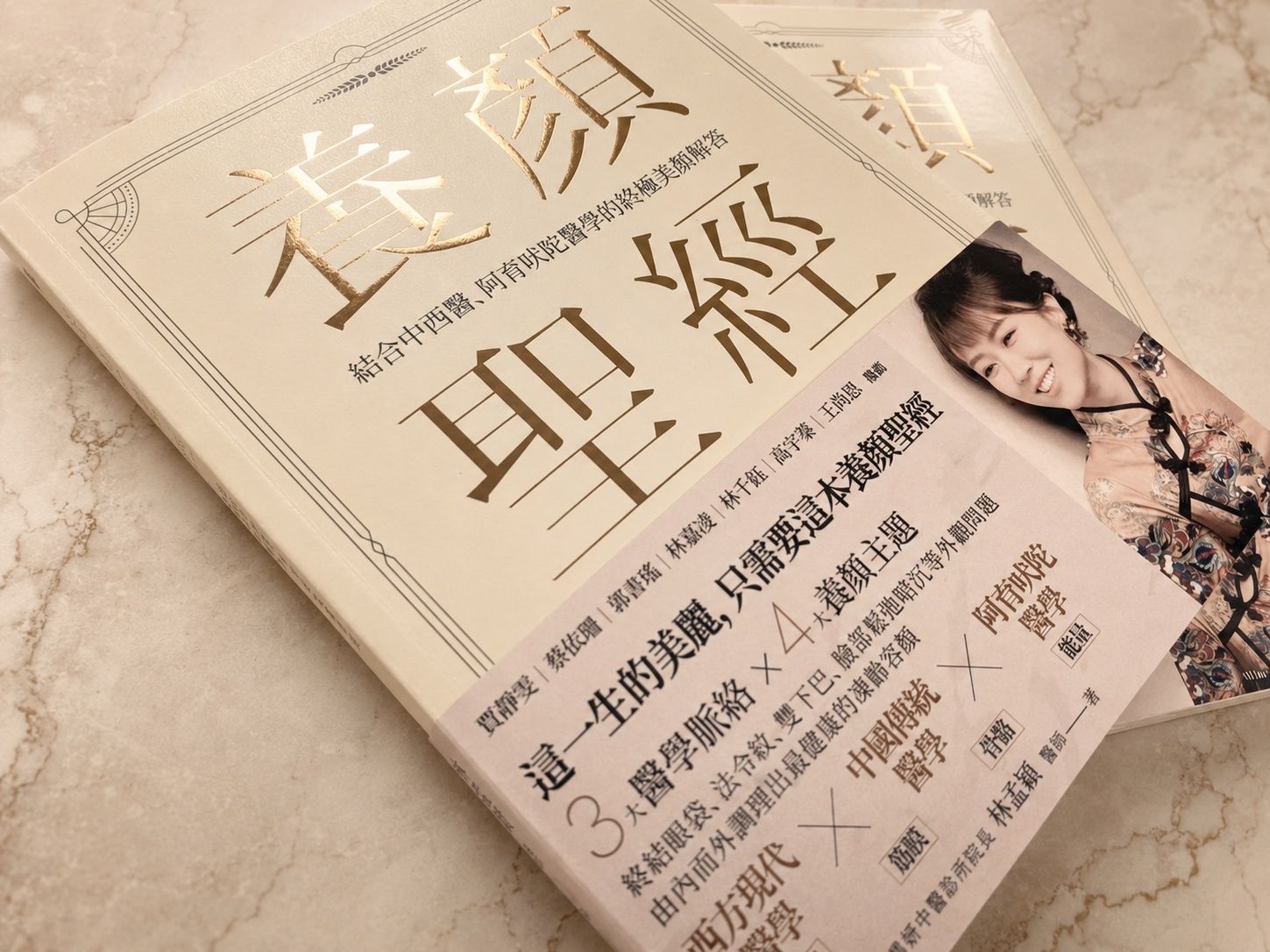
THE BEAUTY BIBLE · AUTHOR’S PREFACE
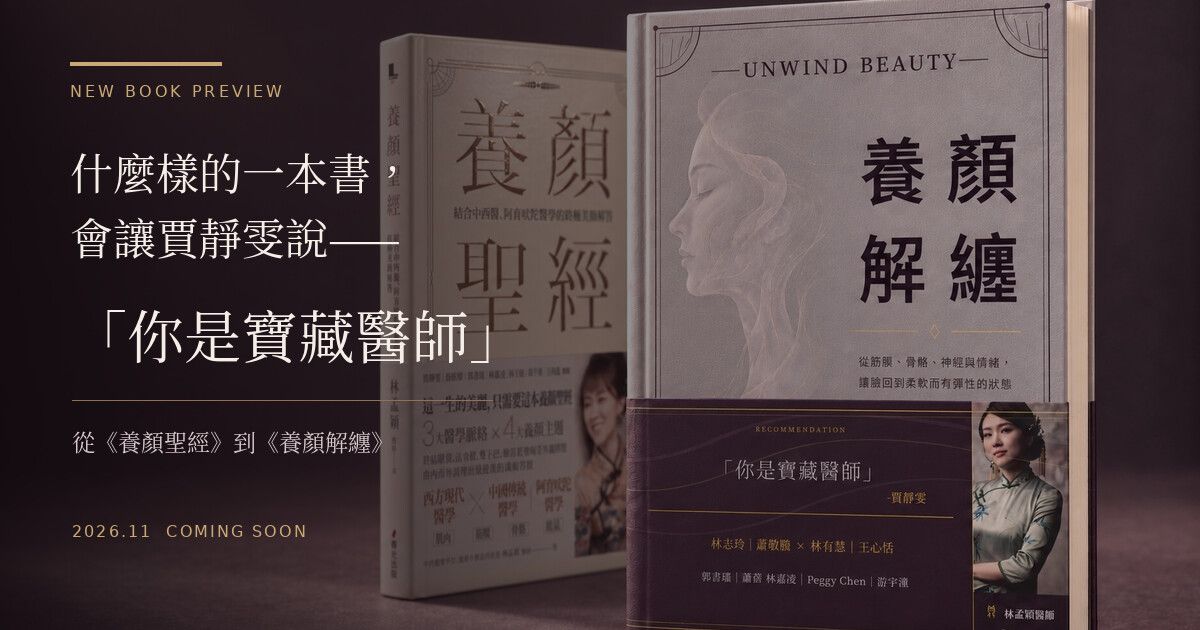
The Beauty Bible began with a question that has followed me through two decades of medical study and clinical work: can we understand beauty without separating the face from the body, or Eastern medicine from modern anatomy?
Where this book began
I completed the manuscript of The Beauty Bible in 2022. Nearly twenty years earlier, I had entered the School of Chinese Medicine at Chang Gung University and begun the demanding dual study of Chinese and Western medicine. That training did more than give me two sets of knowledge; it shaped a lifelong habit of comparison, integration and questioning.
In clinic, I kept asking where these two medical languages overlapped, where they described the same human experience differently, and how each could correct the blind spots of the other.
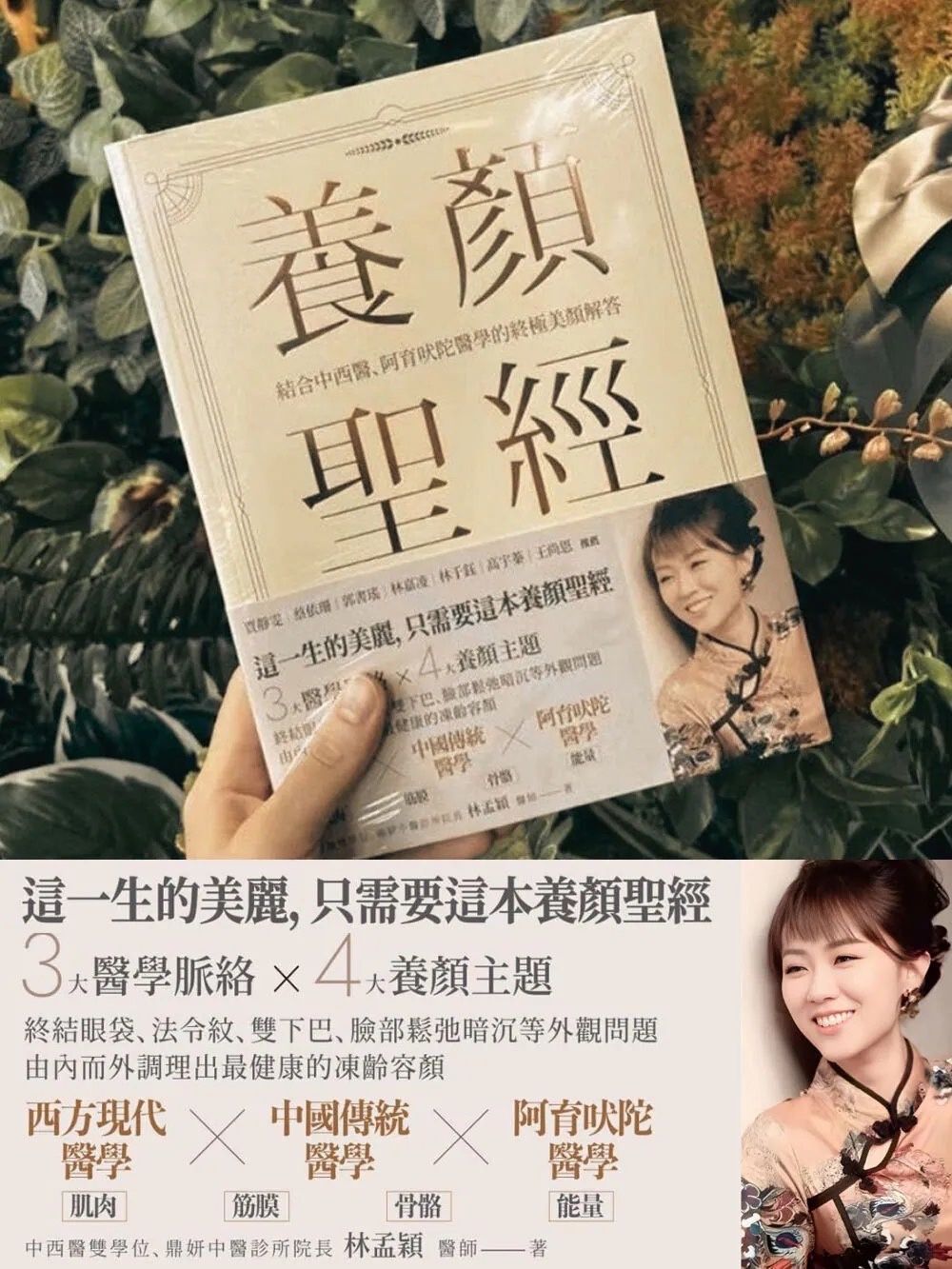
Learning through two medical languages
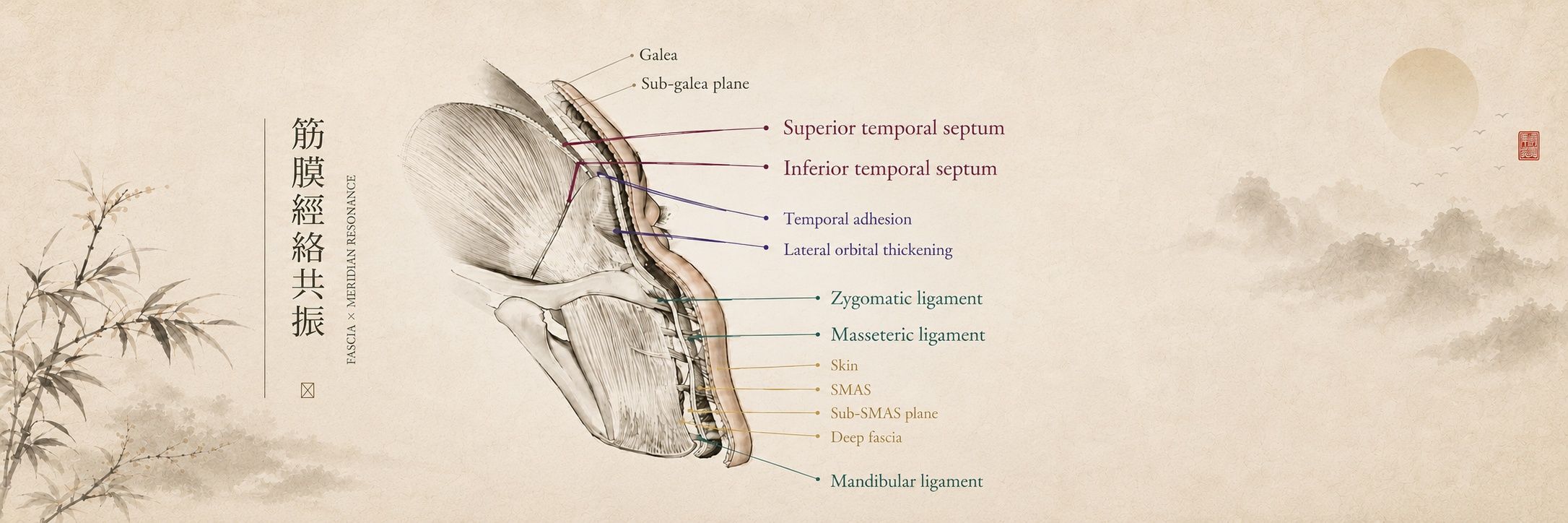
Western anatomy offers precise names for structures, layers and mechanisms. Chinese medicine observes pattern, relationship, circulation and the way the whole person changes over time. Neither perspective needs to erase the other. Used carefully, they can create a more complete clinical vocabulary.
Why the face cannot be isolated
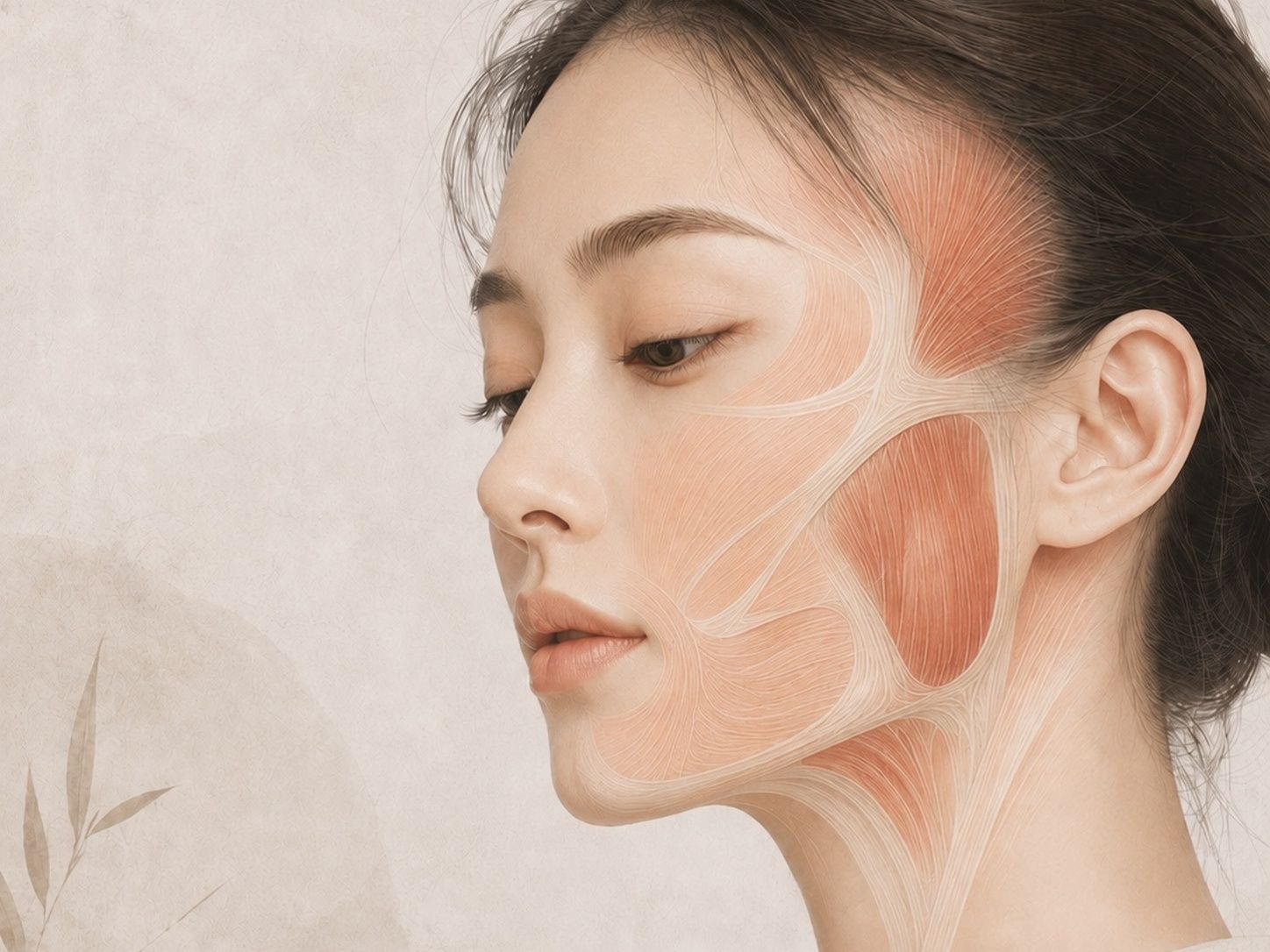
A face is never only skin. Bone, fat, muscle, fascia, lymphatic flow, habitual expression, posture, sleep, stress and internal health all influence what appears in the mirror. A line may reflect movement; heaviness may reflect swelling; asymmetry may reflect bite, muscle recruitment or long-standing posture.
This is why aesthetic care should begin with understanding rather than immediately correcting the most visible feature.
From technique to clinical judgment
Needling technique matters, but judgment comes first: which layer is involved, where tension originates, whether volume is lacking or displaced, whether tissue glides freely, and whether circulation is contributing to the appearance. The same set of points cannot answer every face.
Natural beauty and the passage of time
Natural beauty does not mean refusing change or pretending that aging is irrelevant. It means preserving expression, identity and proportion while helping the face return to a more coherent state. The goal is not to make every person look the same, or to pursue permanent youth.
The birth of the Dingyan Method
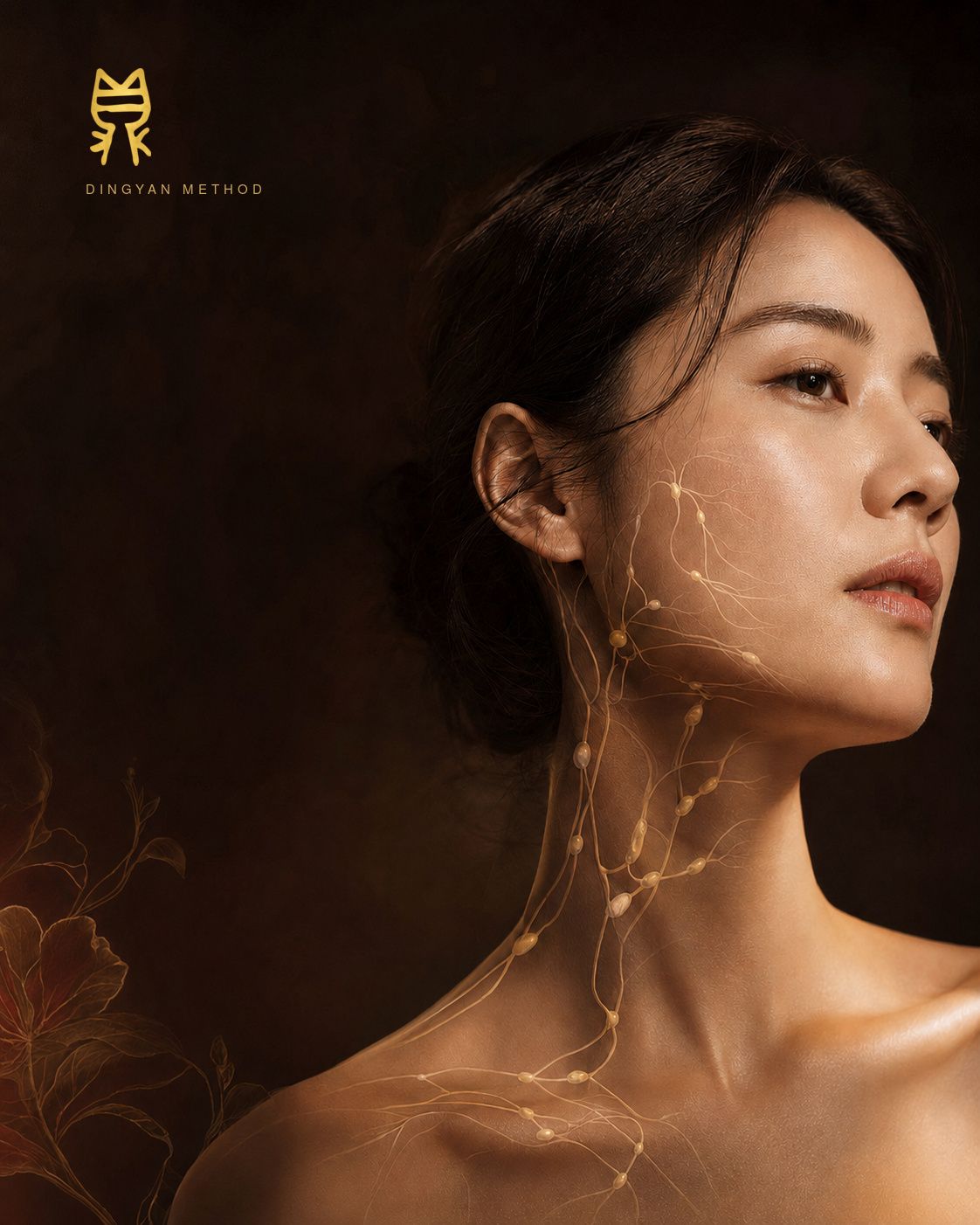
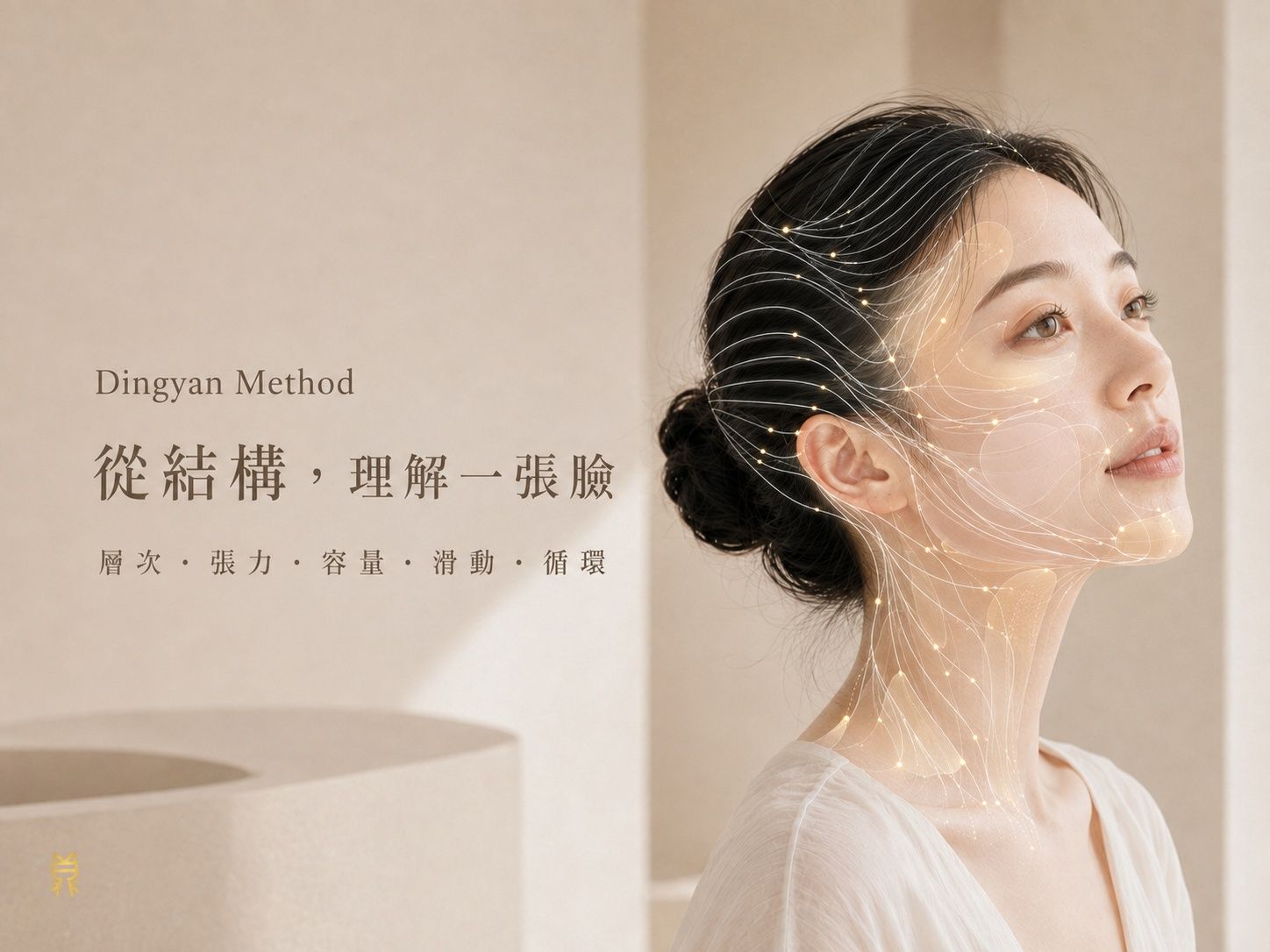
Years of facial acupuncture practice gradually became a structured method. Dingyan now observes five connected dimensions—layers, tension, volume, glide and circulation—to understand what is unique to each face and how the face relates to the scalp, jaw, neck and whole body.
What I hope readers receive
I hope this work gives readers a calmer way to look at the face: not as a list of defects, but as a living structure shaped by health, history and time. Good aesthetic decisions become easier when we can name what we are actually seeing.
A continuing body of work
The Beauty Bible is not a closed answer. It is the beginning of an evolving clinical and educational system. Each article in this online edition extends the book through anatomy, facial concerns, treatment comparisons, pregnancy, health and long-term maintenance.
Continue reading
Begin with an individual assessment
Every face has a different structure, treatment history and health context. A considered plan begins with understanding yours.
BOOK A CONSULTATIONMedical notice: This article is for health education only. It does not provide a diagnosis or replace individualized medical care. Results and appropriate treatment plans vary by person.